
01Lead developer · Published
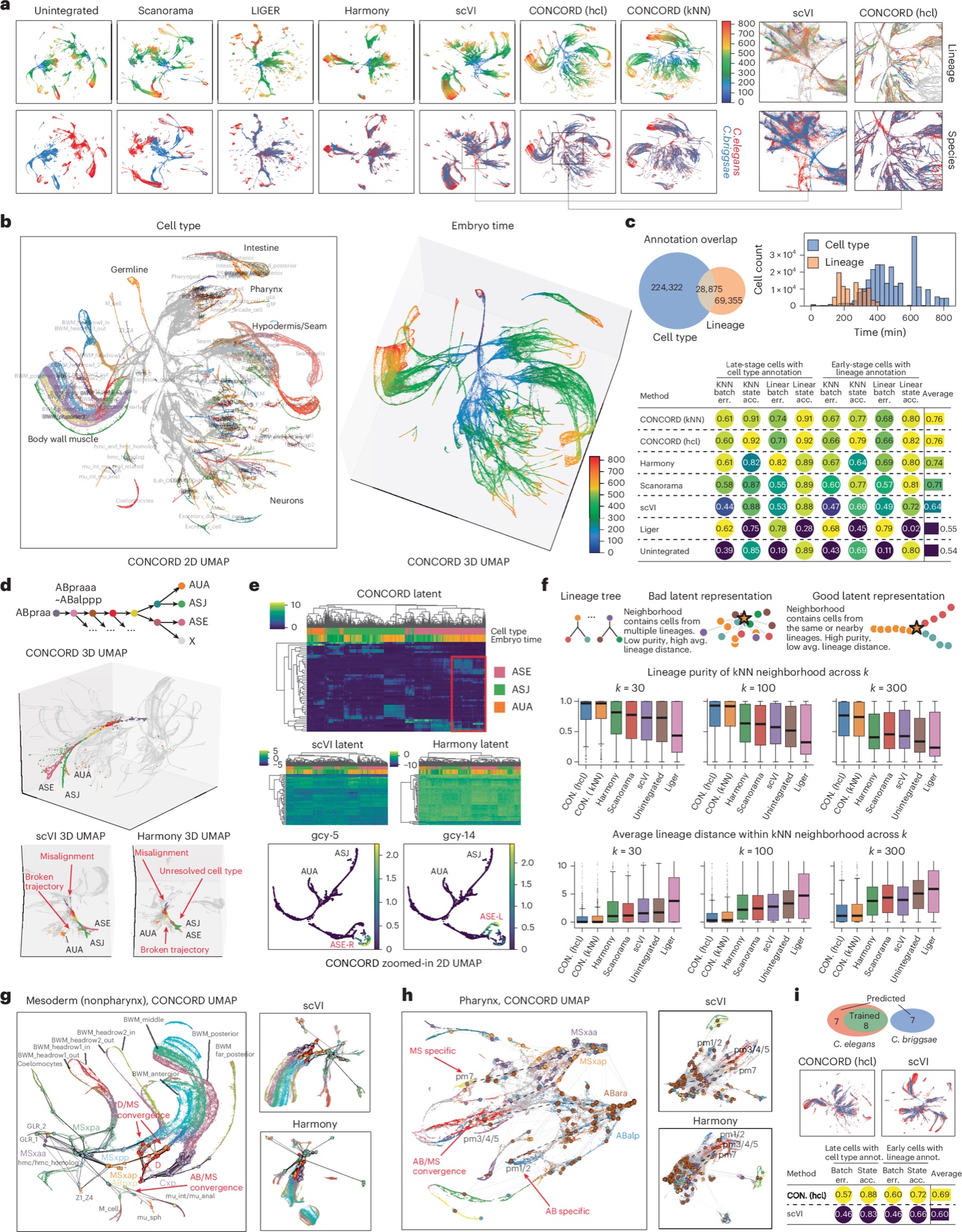
CONCORD
Python · PyTorch
A scalable framework for batch integration, denoising, and topology-aware dimensionality reduction across complex single-cell datasets.
Selected software
I build open-source tools for single-cell analysis, statistical inference, and interactive biological exploration.
Python · PyTorch
A scalable framework for batch integration, denoising, and topology-aware dimensionality reduction across complex single-cell datasets.
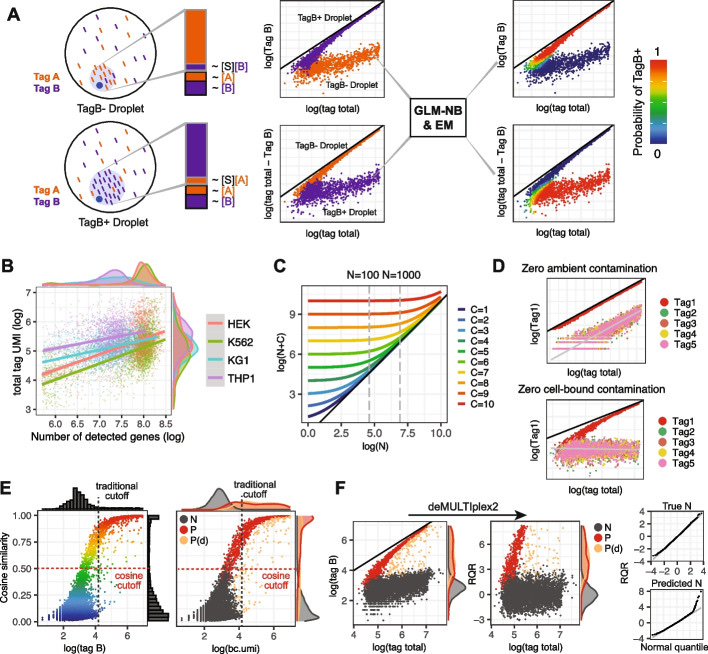
R · EM · GLM
Probabilistic sample assignment and doublet detection for multiplexed single-cell RNA-seq, built to remain robust under noisy and unbalanced tag counts.
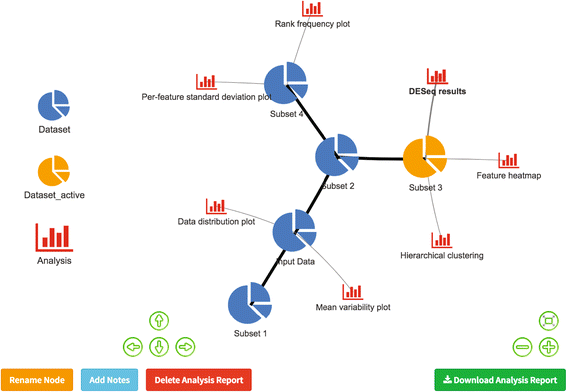
R · Shiny · JavaScript
A platform for interactive transcriptomics analysis with graphical data-provenance tracking, integrated statistical tools, reproducible reports, and shareable analysis states.
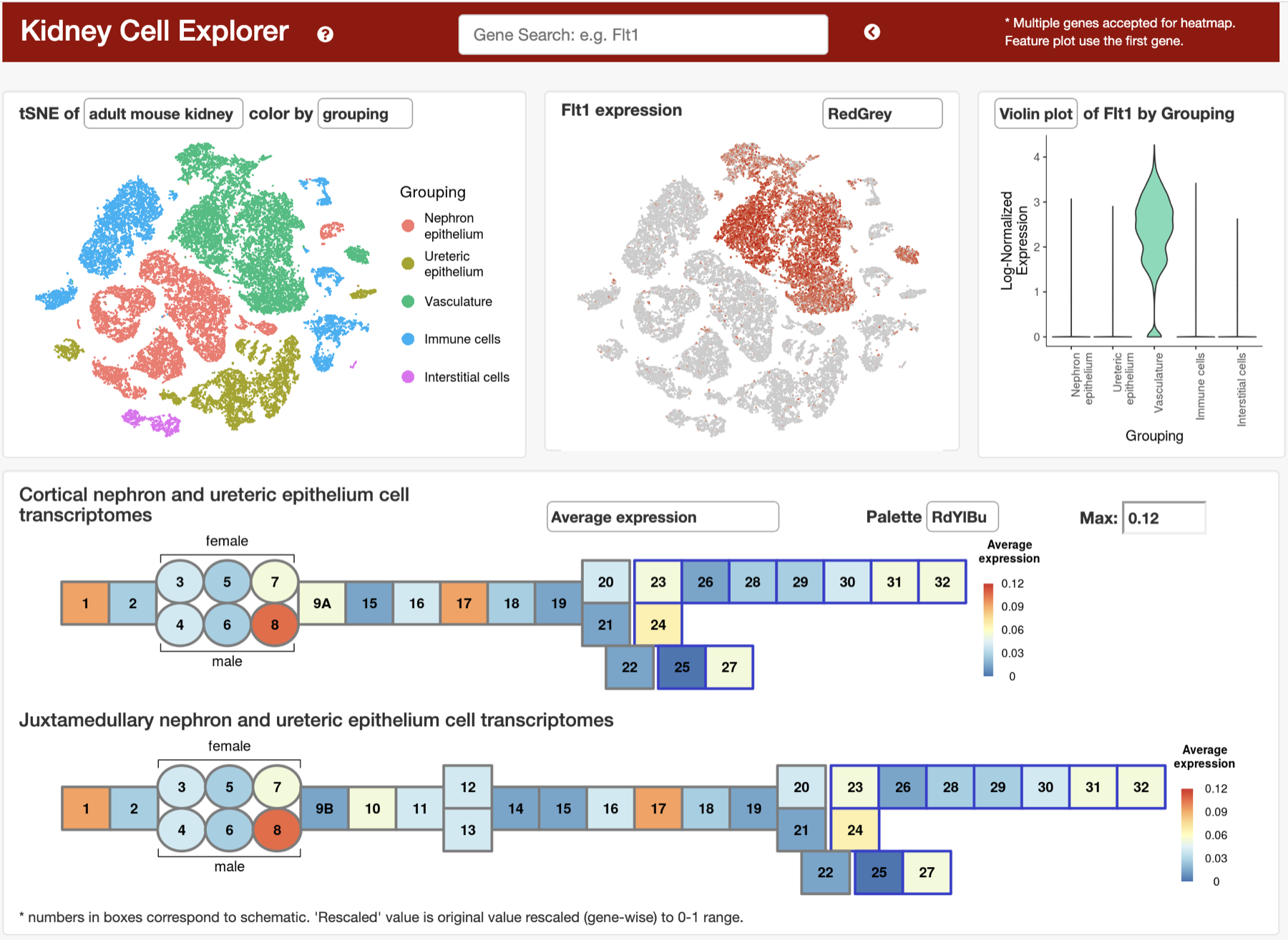
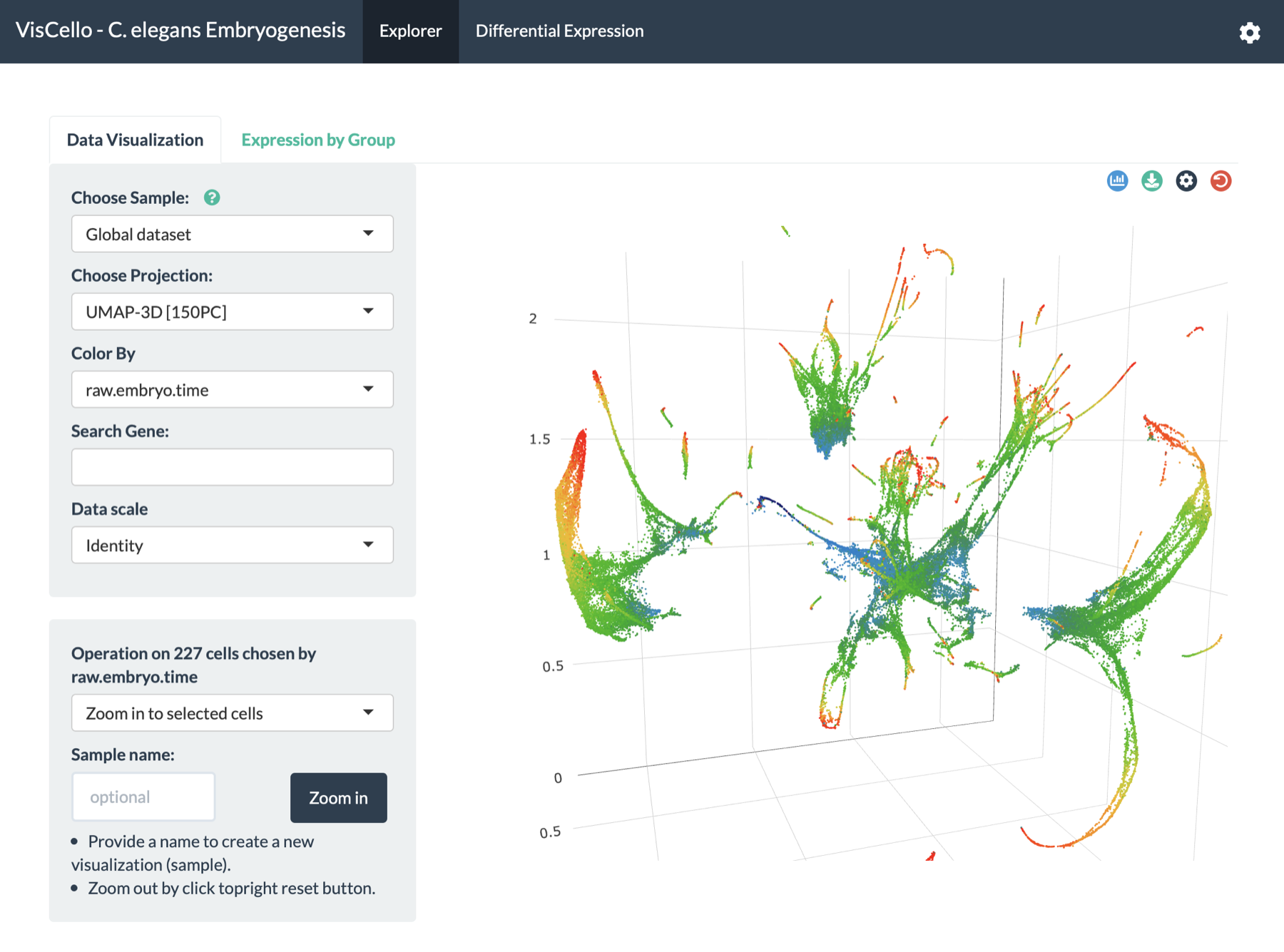
R · Shiny · VisCello
An interactive map of adult mouse kidney cell diversity, linking anatomical groupings, gene expression, and ontology-aware metacells.
R · MATLAB
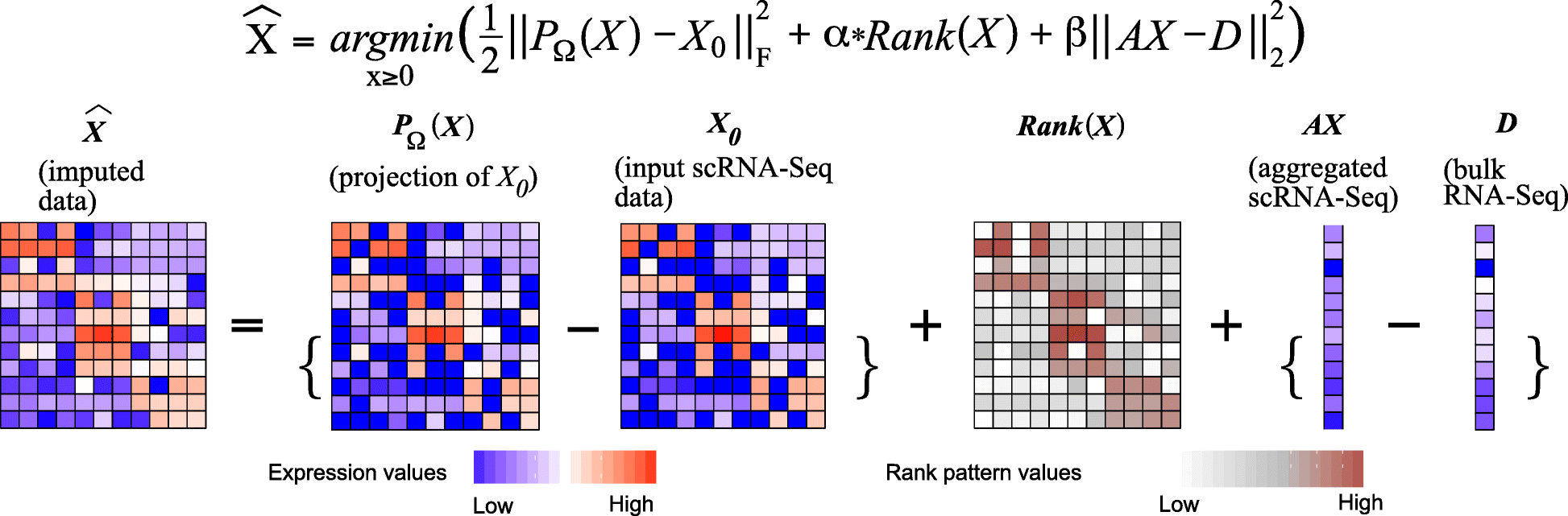
Single-cell RNA-seq imputation constrained by matched bulk RNA-seq data, designed to recover dropout events while preserving expression relationships.
Bash · R
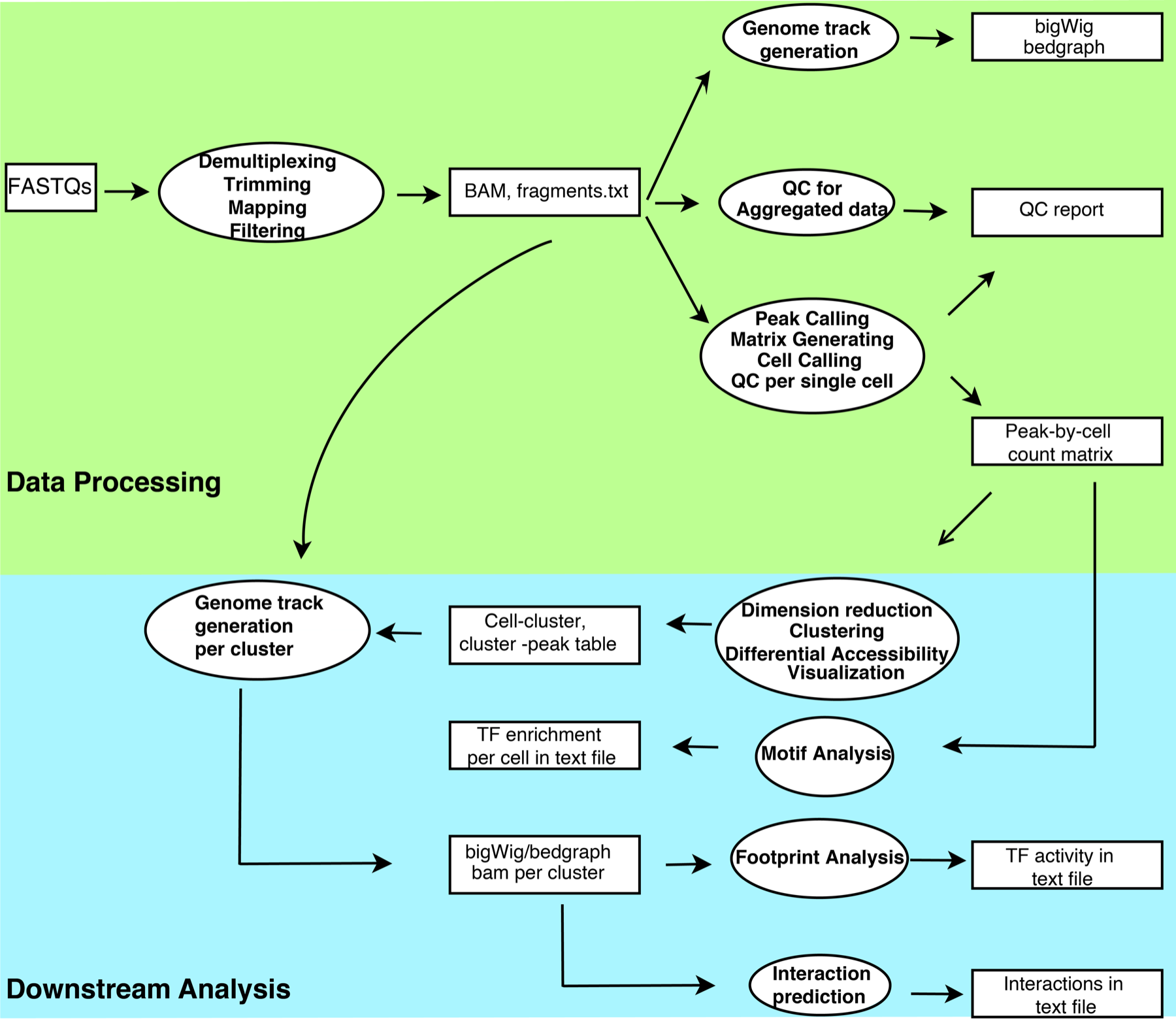
An end-to-end workbench for single-cell chromatin-accessibility data, from read processing and quality control to clustering, motifs, and regulatory analysis.